
Protecting the Character of Historic Homes Through Expert Staircase Restoration and Custom Millwork
Walk into a well-preserved historic home, and you'll immediately notice something that's difficult to replicate.
The graceful staircase welcoming you into the foyer. The intricate crown moulding tracing the ceilings. Handcrafted wainscoting. Carefully proportioned trim. Decorative millwork that reflects the artistry of another era.
These architectural details do more than decorate a home—they tell the story of the families who lived there, the craftsmen who built them, and the history they continue to preserve. Throughout New England, historic homes represent generations of exceptional craftsmanship that deserve to be protected, not replaced.
Preserving that story requires more than skilled carpentry. It requires craftsmen who understand how to honor the past while thoughtfully integrating the needs of modern living.
At Unique Stairways, restoring historic staircases and architectural millwork is more than a specialty—it's an opportunity to preserve the character of remarkable homes while ensuring they can be enjoyed by future generations.
Why Historic Homes Were Built with Such Extraordinary Craftsmanship
The remarkable millwork found in historic homes wasn't created simply because it looked beautiful—it reflected the way homes were designed, built, and lived in.
Before standardized building products, drywall, and factory-made trim became commonplace, skilled craftsmen shaped architectural details by hand using traditional woodworking techniques that had been passed down through generations. Decorative millwork served both practical and artistic purposes. Thick mouldings concealed transitions between plaster walls and ceilings, wainscoting protected walls from everyday wear, and substantial baseboards and casings framed each room with a sense of permanence and proportion.
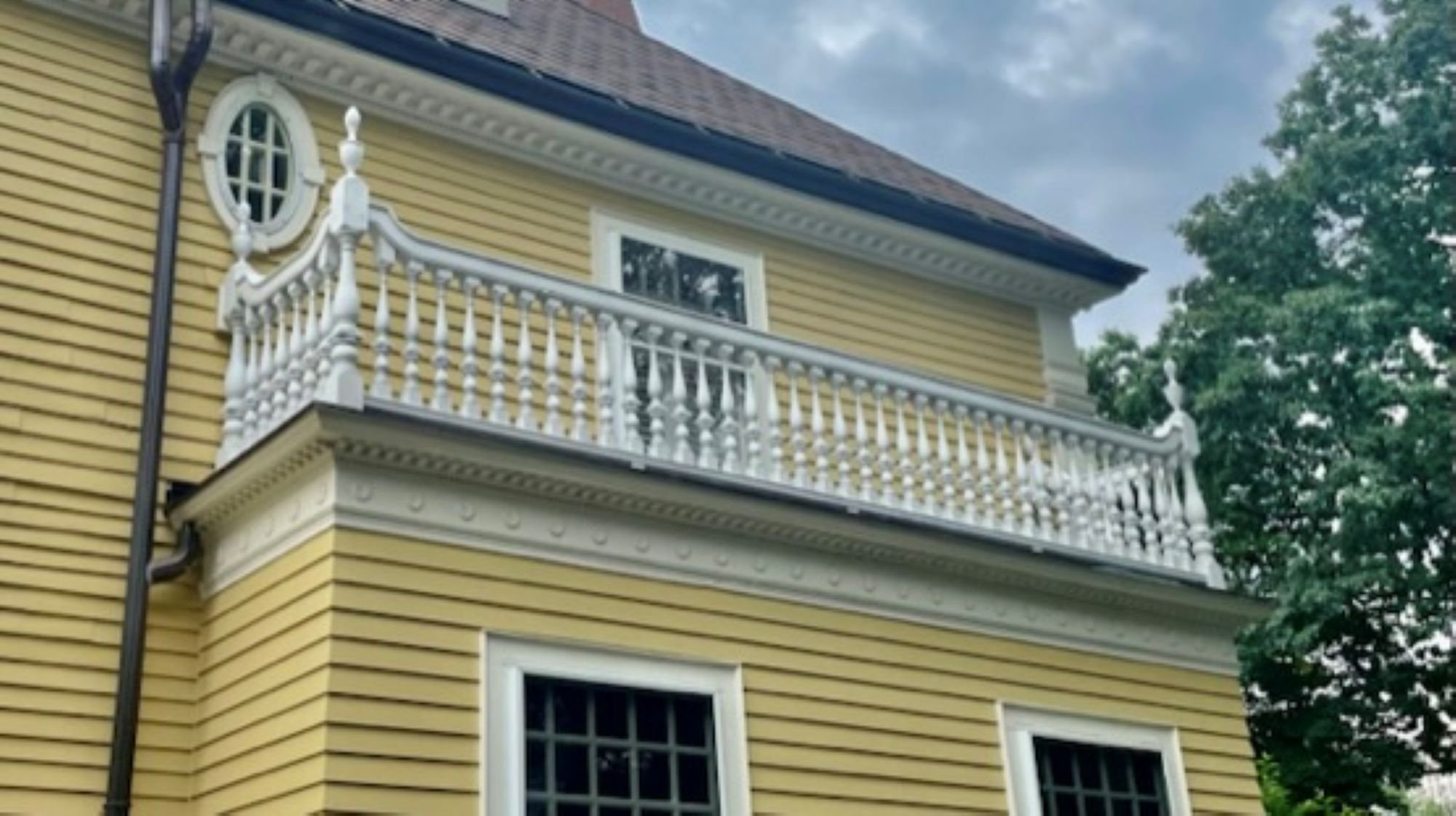
The materials themselves also made a difference. Craftsmen worked with dense, old-growth lumber—clear pine, oak, chestnut, and other hardwoods—that was naturally more stable and durable than many of today's fast-growth materials. Combined with traditional joinery techniques, these architectural details were designed to last for generations and could be repaired, refinished, and restored rather than replaced.
Just as importantly, fine millwork reflected a homeowner's pride in the quality of their home. Grand staircases, hand-crafted paneling, intricate mouldings, and custom woodwork showcased the skill of the craftsmen who built them and created homes with a level of character that continues to captivate us more than a century later.
Many of the architectural details admired in New England's historic homes have already stood for well over a century—a testament to both the quality of the materials and the extraordinary skill of the craftsmen who created them.
Today, preserving that craftsmanship requires more than modern construction skills. It requires an understanding of how these homes were originally built and a commitment to honoring the architectural details that make them truly one of a kind.
Recreating Historic Millwork Takes More Than Measurements
Restoring architectural millwork is often equal parts craftsmanship and detective work.
Original moulding profiles may no longer be manufactured. Wood species may have aged differently over time. Existing finishes require careful matching so new work blends seamlessly with the original craftsmanship.
Sometimes only a single piece of trim remains to serve as a template. Other times, craftsmen rely on photographs, neighboring architectural elements, or historical references to recreate details that have disappeared over the years.
Whether restoring a grand staircase, replicating crown moulding, crafting newel posts and balusters, or rebuilding intricate wainscoting, every detail must feel as though it has always belonged.
That level of precision can't be rushed—and it certainly can't be achieved with off-the-shelf materials.
Preserving Historic Character While Meeting Modern Standards
Historic homes should maintain their timeless beauty, but they also need to function safely for today's families.
Modern building codes often require updates to stair construction, handrail heights, baluster spacing, and structural support. The challenge isn't simply meeting those requirements—it's doing so without compromising the home's architectural integrity.
Questions to Ask Before Hiring a Historic Restoration Craftsman
Not every carpenter or millwork company specializes in historic homes. Before beginning your restoration project, ask these important questions:
✔ Have you completed projects in historic or period homes?
✔ Can you replicate original mouldings, stair components, and architectural details that are no longer manufactured?
✔ Do you fabricate custom millwork when replacement parts aren't available?
✔ How do you preserve a home's historic character while incorporating today's building codes and safety standards?
✔ Can you share examples of restoration projects with similar architectural details?
The right craftsman won't simply replace what's there—they'll preserve the craftsmanship that makes your home one of a kind.
The most successful restoration projects are the ones where the improvements are nearly invisible.
Behind the scenes, a staircase may be structurally reinforced, handrails securely installed, and framing carefully updated. Yet when the project is complete, the craftsmanship appears as though it has always been part of the home.
Balancing preservation with performance is one of the defining characteristics of expert historic restoration.
Working Within the Challenges of Historic Homes
Historic homes rarely cooperate with modern construction techniques.
Floors may have settled over the decades. Walls are often no longer perfectly square. Original framing may differ significantly from today's construction methods, and hidden surprises frequently appear once plaster is removed or existing millwork is carefully dismantled.
Rather than viewing these conditions as obstacles, experienced craftsmen anticipate them.
Every project requires thoughtful problem-solving, careful planning, and a willingness to adapt while maintaining the home's original design intent.
That's why experience matters. Historic homes don't reveal all of their secrets until the work begins, and every adjustment must be made with respect for the home's architecture.
Restoring History, One Detail at a Time
This commitment to preserving architectural authenticity is what makes historic restoration so rewarding.
One example can be found in the restoration of the historic Abiel J. Abbot House in Westford, Massachusetts—an iconic Shingle Style residence originally built in 1891. During the home's extensive renovation, Unique Stairways owner Damian Rush was selected to create custom wainscoting and crown moulding for the primary bedroom after it had been completely renovated down to the studs. The homeowners' vision was clear: preserve the home's original character while thoughtfully updating the space. As they shared in a feature about the home's restoration, they wanted to keep the work "as original and period as we could."
That philosophy closely mirrors the approach Unique Stairways brings to every historic restoration project.
Whether matching an existing moulding profile, recreating century-old millwork, or restoring a staircase that has welcomed generations of family and friends, the objective remains the same: create work so thoughtfully crafted that it feels as though it has always been part of the home.
Because the highest compliment a craftsman can receive isn't that people notice the restoration—it's that they can't tell where the original work ends and the new craftsmanship begins.
Preserving the Past for Future Generations
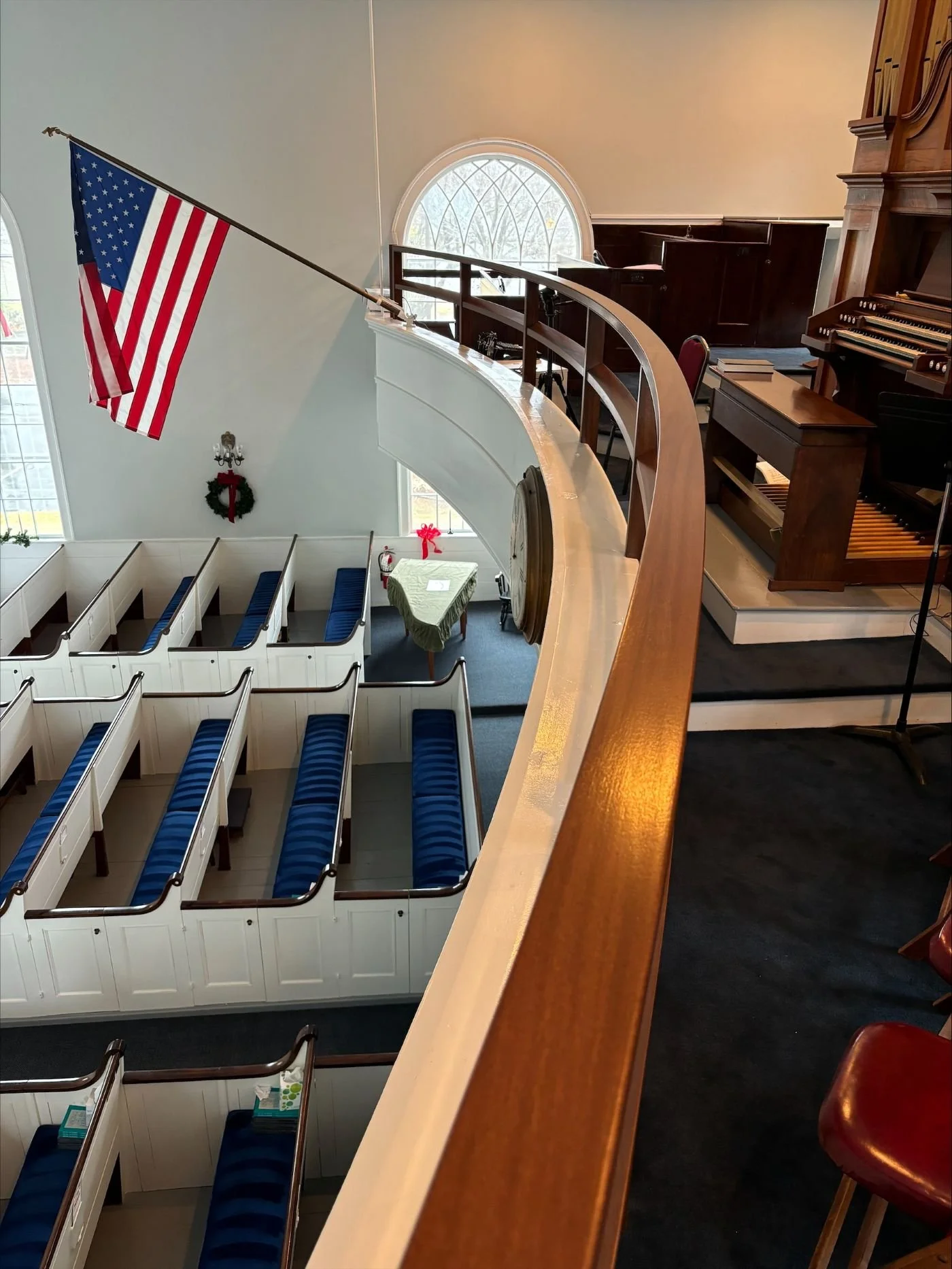
Owning a historic home is both a privilege and a responsibility.
Every staircase, moulding, handrail, and architectural detail represents the craftsmanship of those who built the home generations ago. Thoughtful restoration ensures those details continue telling their story while allowing today's families to enjoy the comfort, safety, and functionality of modern living.
Whether restoring a grand staircase, recreating period mouldings, designing custom millwork, or carefully matching architectural details that have been lost over time, historic restoration is about far more than replacing wood.
It's about preserving craftsmanship, respecting history, and ensuring that the homes defining New England's architectural heritage continue to inspire future generations.
At Unique Stairways, every project begins with respect for the past and ends with craftsmanship built to stand the test of time. Contact Unique Stairways to discuss your historic restoration or custom millwork project and discover how thoughtful craftsmanship can protect your home’s character for generations to come.
Explore More
Continue exploring ideas and inspiration for custom craftsmanship throughout your home:
From restoring historic staircases and recreating period millwork to designing custom built-ins and architectural details for today's homes, Unique Stairways brings exceptional craftsmanship to every project. Our team specializes in custom staircases, architectural millwork, built-in cabinetry, historic restoration, finish carpentry, handrails, mouldings, wainscoting, paneling, and one-of-a-kind woodworking projects that combine timeless artistry with modern precision. Proudly serving homeowners, builders, architects, and designers throughout Massachusetts and New England, Unique Stairways creates custom woodwork that preserves the character, beauty, and lasting value of every home.